
Finding My Heading
I've been thinking a lot lately about what I want to carry into the next phase of my life.
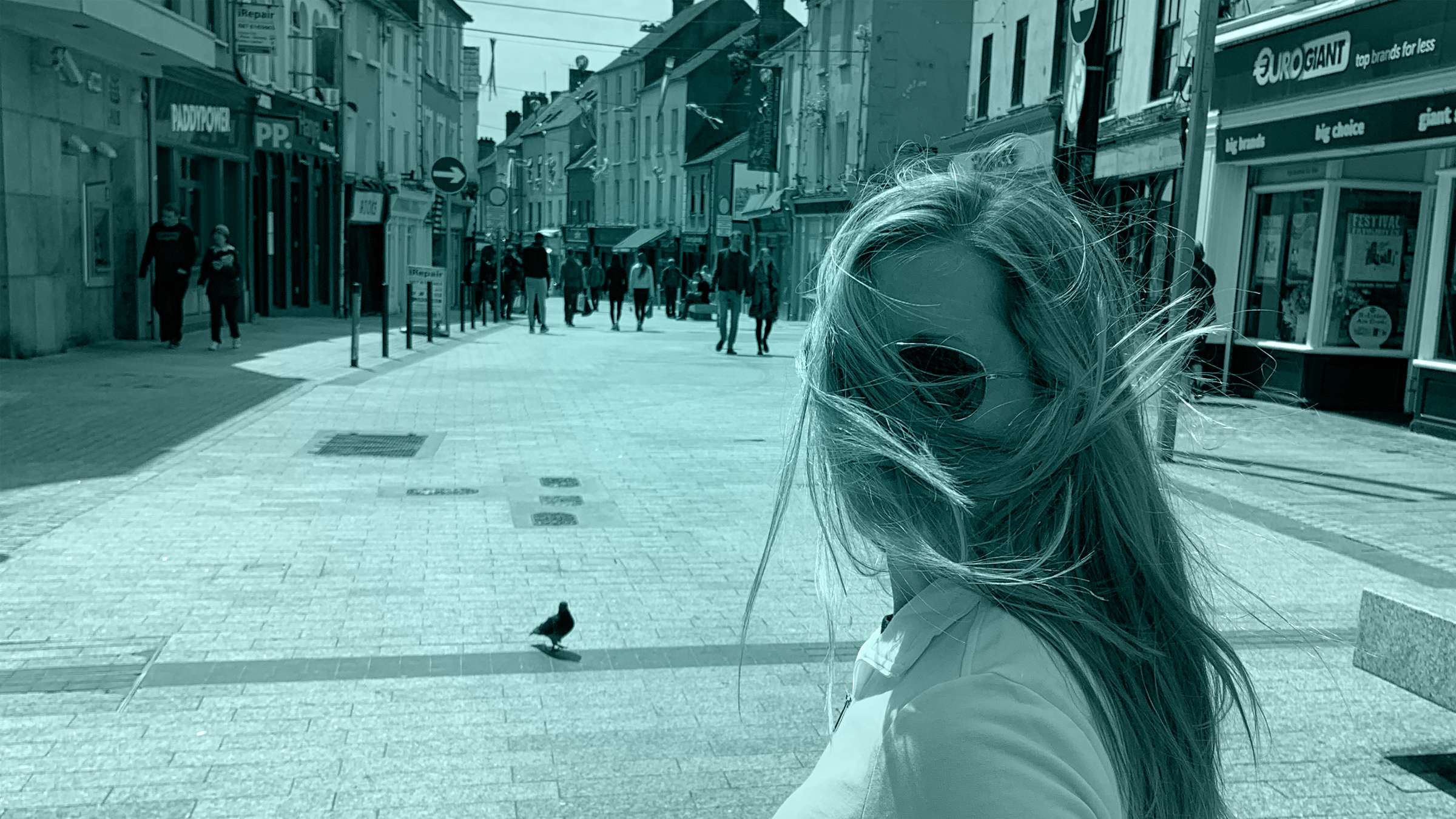
One of the things I discovered over the last decade is a genuine love of travel. I owe that entirely to my wife. Her inherent curiosity to get to know what makes a place unique is just one of the ways she’s made my life better. How else would I have discovered the best conversations in Ireland take place in a neighborhood pub that doubles as a hardware store? Guinness and window screen repair in equal measure.
Earlier in my life travel was mostly transactional. A conference in this city, or a quick sales call in this one. I’ve learned the joy of arriving in a city that neither of us knows particularly well and spending a few days just paying attention. Walking unfamiliar streets. Learning a little history of a place. Finding the neighborhood café everyone else seems to know about.
We call it planned spontaneity.
The plan is often to have no plan at all on our first day in a city. Wandering the streets or jumping on one of those hop-on, hop-off buses lets us get a feel for a place before deciding what deserves a second look. We aren't looking for a detailed itinerary. We're looking for bearings. A neighborhood we'd like to explore. A museum worth returning to. A conversation we'd like to continue tomorrow. By the end of the trip, we haven't seen everything. We've simply learned enough to feel like we know the place.
As I've begun shaping the next chapter of my professional life, I've noticed that the same things that make travel rewarding also shape the way I think about my work. The unknown. Curiosity. Landmarks. Bearings. And the satisfaction of eventually figuring out where I'm going. They've quietly become the language I use to think about leadership and change.
That's what heading has come to mean for me.
It isn't simply about a destination. It's about choosing a direction before every answer is known and trusting that clarity comes as much from the journey as it does from the map.
I didn't realize it at the time, but I'm beginning to understand that I'd been learning that lesson for most of my career.
Scars Of The Past
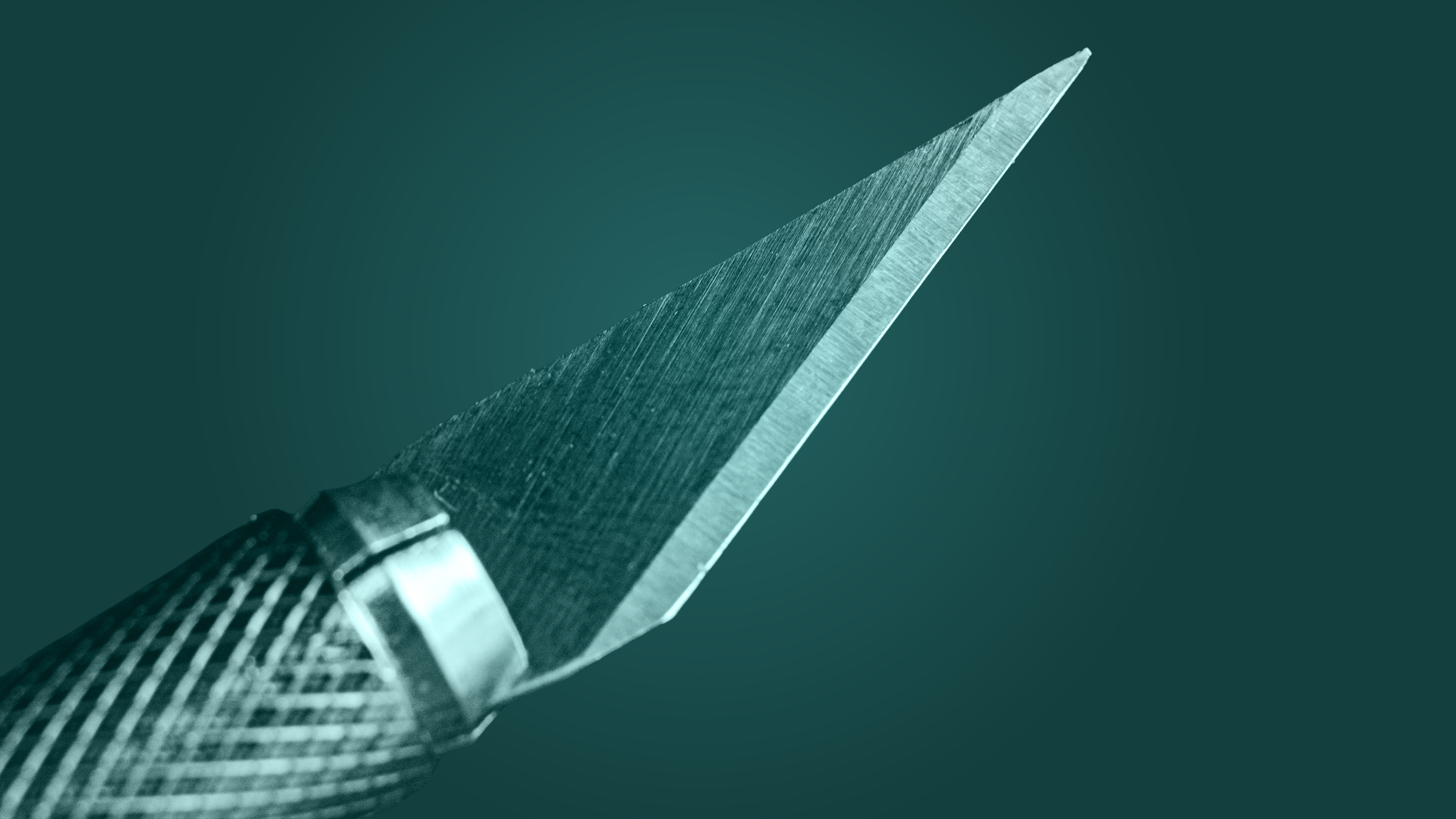
There’s a gnarly looking triangle-shaped scar on the index finger of my left hand. If you started your career as a graphic designer before the mid-nineties, you know exactly how I got it. Back then, every page layout began on a rigid sheet of illustration board. We'd cut and assemble body copy, rub-down lettering, spot illustrations, and colored film using a No. 11 X-Acto blade. Every mechanical was built by hand, one tiny piece at a time, before it was photographed and eventually made its way to a printing press.
Sooner or later, those blades drew blood from us all. There’s never much time between one of us meeting a fellow old designer and the comparing of our badges of honor.
I went off to college in 1992 and started working in 1995. By 1996, I touched a blade for the last time as a professional. In just a few years, the tools of my craft changed completely. The mouse replaced the knife. Desktop publishing replaced mechanicals. The work changed, and so did the people who wanted to keep doing it.
Everyone told us the profession was dying. You couldn’t talk to a peer without hearing about someone who went off to become a travel agent or went back to school. Everyone was convinced if just anyone could control the tools of the trade, that we weren’t needed.
Some of us learned a new way. We mastered the new tools. We made sure the craft survived and figured out a way to once again make a living.
A couple things changed along the way. Predictions of the profession’s disappearance were wrong. In fact, there were eventually more designers than before. They just weren't doing the same jobs. There were more of us, but not necessarily the same faces. Role compression was real and harsh. When I started, five or six sets of hands may have touched every layout before it went to press. Art director, copywriter, typesetter, mechanical artist, and various prepress technicians all had a part to play. Afterwards it wasn’t uncommon for one person to do it all.
Soon the Internet entered all our lives. Print is dead, craft is cheap and all the rest of the doom and gloom. Again not true, but responsibilities changed. Distribution was the new target. Print designers retooled as web designers. Gatefolds gave way to hex codes.
Then social media.
Then smartphones.
Then advanced template sites.
Now AI.
Every few years someone confidently declared the profession dead.
Every few years they were wrong.
Today
While roles compressed and responsibilities changed, there was work for those that wanted to have it and took the time to learn. Each time, the value shifted. Designers who had gotten by on their technical know-how alone, were relied on more for brand and messaging. Copywriters moved up the chain writing more top line messaging. In some places the shift was subtle, in others much less so.
My work changed too. It moved from assembling pages to helping organizations decide what was worth saying, how to say it, and what people needed to understand.
At every turn, production became faster, cheaper, and more accessible. The real work never disappeared. It moved upstream. The value migrated from making things to deciding what was worth making in the first place.
Looking back, every major transition in my career taught the same lesson. The tools mattered, but they were never the point. The value always migrated toward the people who could make sense of what came next.
Today I spend my time helping leaders navigate consequential change.
Some days it’s helping an executive make sense of competing priorities and understand what those decisions will mean for the people asked to live with them. Other days it’s helping a leadership team tell a clearer story about the future they're building and inviting the rest of the organization to help make it real.
The industries have changed. The tools have changed too. The technology will always change because that's what it does.
The work doesn’t.
People still need to understand where they're going before they'll choose to go there. That's the work I care about. Helping leaders find their heading. Helping the people around them find theirs.